Have you ever read a novel in which the setting itself becomes a character in the story? Often this is the case when the central conflict of the plot is man vs. nature, such as in Jack London’s Call of the Wild. In these instances, the location (e.g., wilderness, mountain, ocean) serves as the antagonist. In fantasy novels, sometimes the magical world, or some part of it, becomes a character in the tale as well. Isn’t that just world-building, you say? Yes, and…it’s more than that.
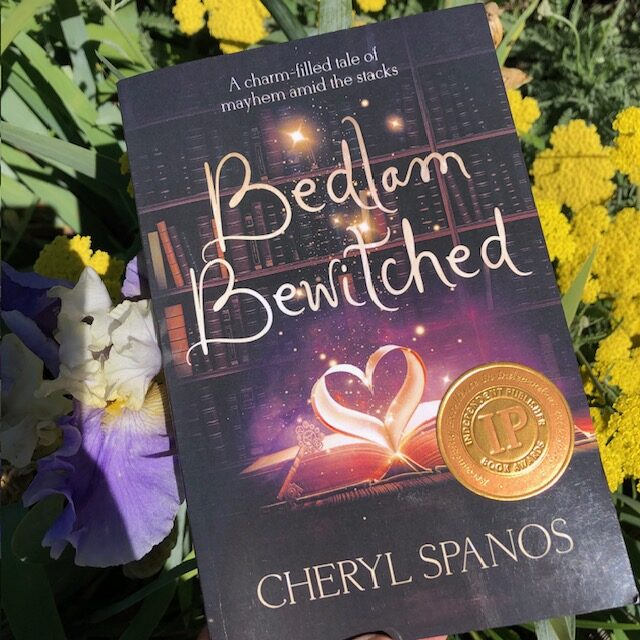
In Bedlam Bewitched, I thought of the enchanted bookstore as a character. With its mystery novels that disappear at will and comic books that play practical jokes, Bedlam Books certainly drives the plot and complicates things for both Cory and Jack.
But the bookstore also stands in for Cory’s Uncle Horace. Still reeling from her father’s abandonment, Cory turns to her favorite uncle for help. But as we discover in the very first chapter, Uncle Horace has died, leaving Cory his share of the bewitched bookstore. Everything about the magical shop from the feel of the old leather tomes to the lingering scent of Horace’s pipe tobacco reminds Cory of him. As Horace “wasn’t the sort to hang about after death moaning and groaning,” Cory looks to the shop to divine his guidance. Saving Bedlam Books is not only her second chance, it’s her way of keeping Horace alive.
Have you ever thought of setting as character? Can you think of another novel in which place becomes a character in the tale?